
For many of us, driving isn’t just a way to get from A to B—it’s a symbol of independence, freedom, and dignity. So, when an aging parent’s skills behind the wheel begin to change, it can be a sensitive topic that’s hard to address. But with the right approach, empathy, and thoughtful planning, these conversations can lead to safer outcomes and peace of mind for everyone involved.
Why This Conversation Matters
As we age, natural changes in vision, reaction time, hearing, and mobility can make driving more challenging—even for those who have been confident drivers for decades. Experts agree that driving safety should be based on ability, not age alone, and that early conversations can help maintain safety and dignity for your loved ones.
How to Talk to Aging Parents About Driving
Here’s a compassionate framework you can use to talk to an aging parent about driving:
1. Start Early — Before a Crisis Happens
Waiting until there’s a “near miss” or accident makes conversations harder. When you notice changes—like slower reaction times, increased hesitation, or difficulty navigating familiar roads—it’s time to talk. Focus on specific observations rather than generalizations.
2. Approach with Empathy
For many seniors, a vehicle is more than a tool—it’s independence. Acknowledge that this topic is emotionally loaded. Let your loved one know your concern comes from love and care, not control.
3. Use Concrete Examples
If possible, gently share specific moments you’ve noticed—maybe a missed turn, difficulty merging, or hesitation at intersections. Making the concerns concrete (not vague) helps keep the conversation grounded and less personal.

4. Involve the Doctor
Many older adults will take a health-related suggestion from a doctor more seriously than from family alone. A medical evaluation focused on safe driving and mobility can provide clarity for everyone involved.
5. Offer Real Solutions
Simply telling someone to stop driving without an alternative plan can feel like “taking away their independence.” That’s why offering dependable transportation options can make all the difference.
Transportation Options That Support Independence
When seniors stop driving, one of the biggest concerns is: “How will they get around now?” If driving is no longer the safest option, there are many reliable transportation alternatives that can help seniors stay independent.
Private transportation services designed for seniors can be a great option for those who want extra support and peace of mind. Many offer door-to-door rides, help getting in and out of the vehicle, and trained drivers who understand the needs of older adults—making them ideal for medical appointments, errands, and social outings.
For seniors in the Greater Cincinnati area, Express Mobile Transportation is here to help.
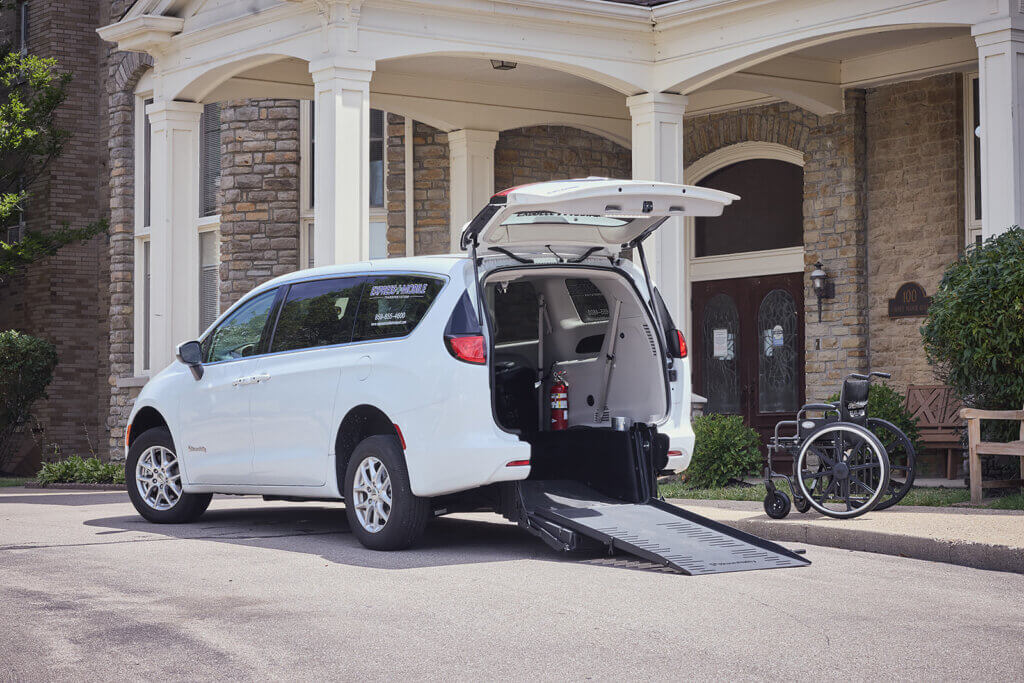
Reliable Rides With Trained, Professional Drivers
Express Mobile Transportation (EMT) is a division of Executive Transportation, the premier ground transportation company in the Greater Cincinnati area. EMT provides local transportation services specifically for seniors and individuals with mobility challenges.
One of EMT’s core services, Express Mobile Plus, offers non-wheelchair vans designed to help seniors get to appointments, social events, errands, and more—without the worry of driving themselves. Whether it’s a routine medical visit or a night out with friends, Express Mobile Plus is here to support your loved one’s independence.
Why Express Mobile Plus is a Good Fit:
Express Mobile Plus provides safe, comfortable, and convenient rides for seniors Cincinnati area. We offer:
- Door-to-door service with compassionate drivers
- Comfortable vehicles that aren’t hospital vans
- Scheduling services that adapt to your loved one’s needs
- A safe alternative when driving becomes risky
This puts focus back on freedom—not loss—and helps make discussions about transitioning away from driving much easier.

Keep the Conversation Going
The goal isn’t just one talk—it’s ongoing care and connection. Be patient. Listen deeply. Revisit the driving conversation with your parent when needed. And always pair concerns with solutions that build confidence, not resistance.
After all, it’s not about taking away independence—it’s about keeping your loved one safe, connected, and active.
If you’re ready to explore how Express Mobile Transportation can help your family, contact us today. Because caring for those who cared for us starts with support—and a ride in the right direction. 🚗💛



